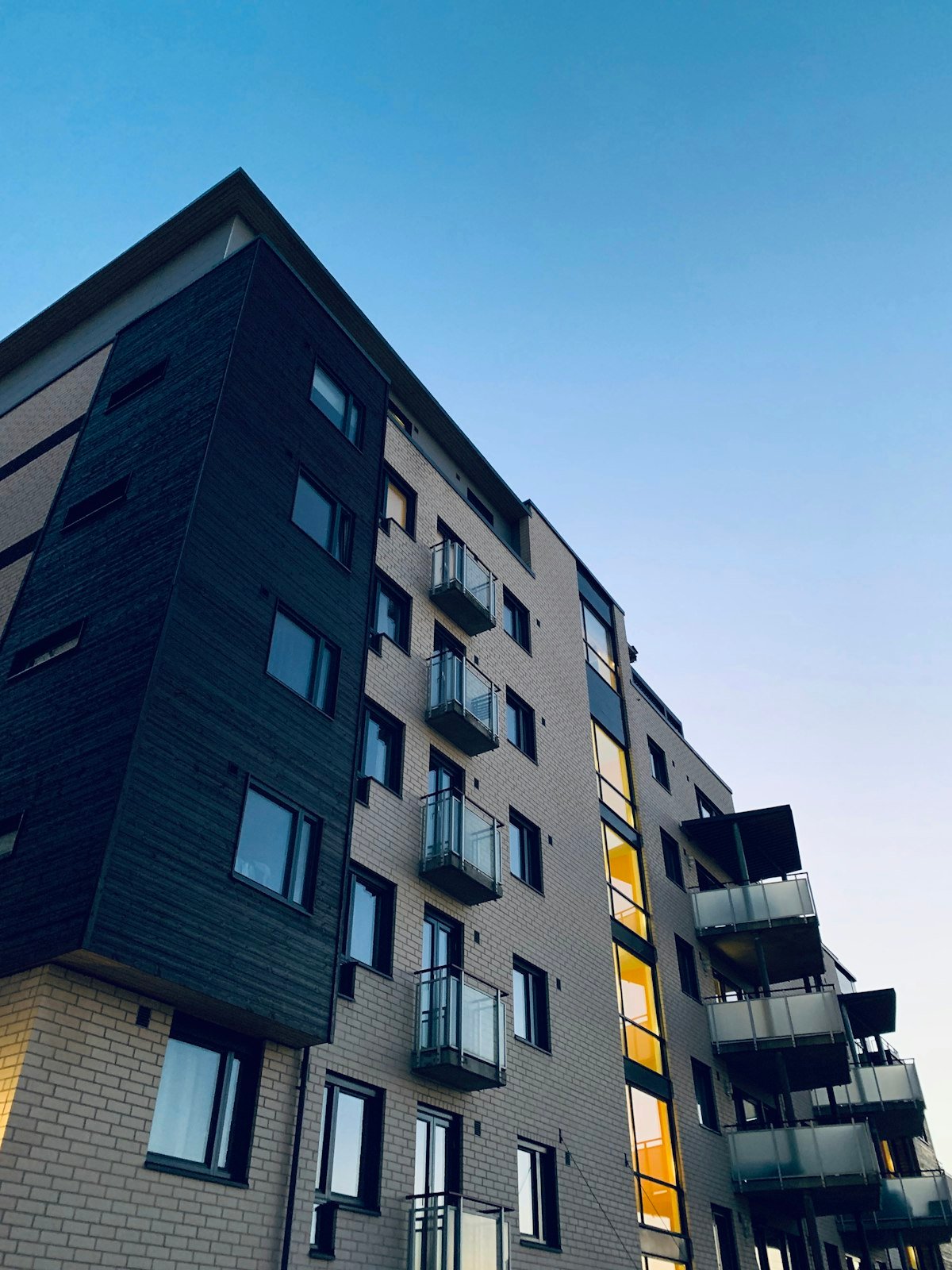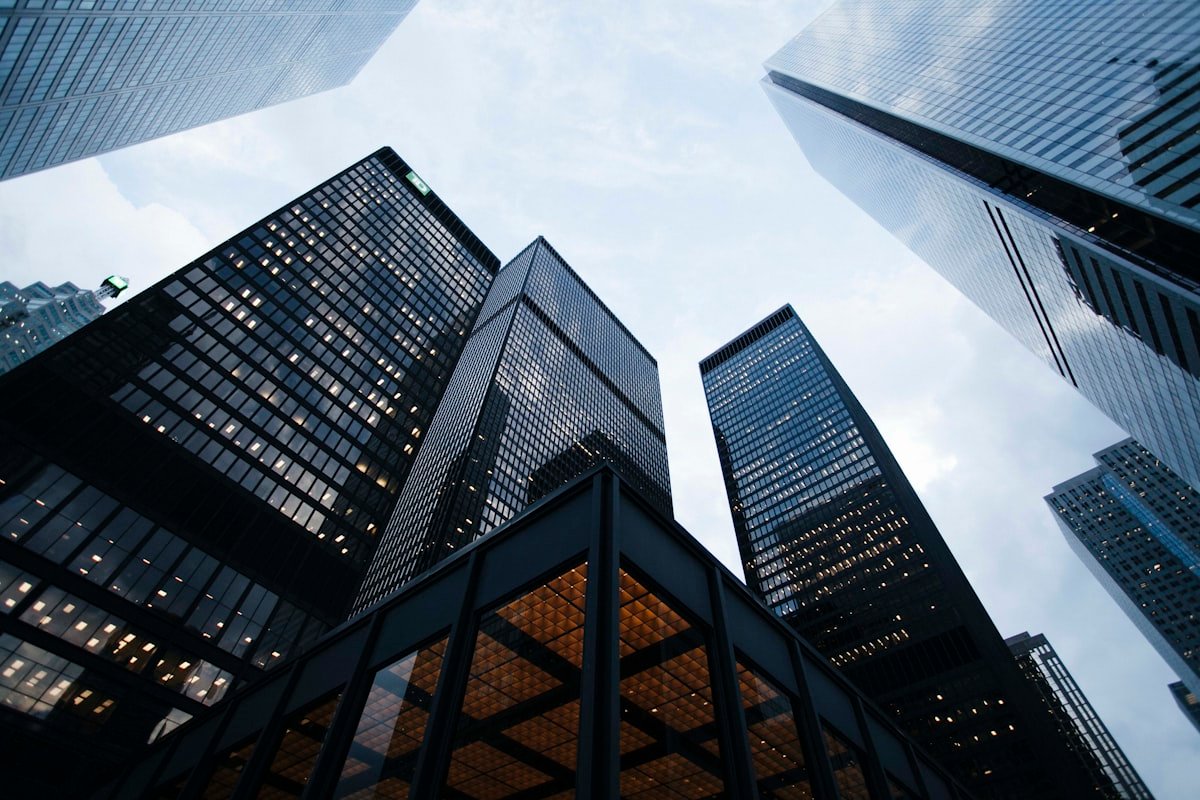
On commercial construction sites across British Columbia and Alberta, painting and protective coating packages represent both the final visual finish and the primary protective barrier of the building envelope and interior substrates. For general contractors, project managers, and site superintendents, managing a commercial painting scope requires far more than dispatching crews with rollers near substantial completion. Efficient commercial painting execution demands early specification reviews, proactive trade sequencing, comprehensive substrate inspection, and rigorous quality control protocols to protect project budgets and tight delivery milestones.

Why Commercial Painting Requires Early Planning
Commercial painting is frequently mischaracterized as a simple trade that occurs entirely at the tail end of the construction schedule. In reality, commercial painting and coating work intersects with almost every major interior and exterior trade on site. When general contractors treat painting as an afterthought, projects routinely suffer from trade stacking, dust contamination, substrate moisture failures, and extensive deficiency punch lists during client handovers.
Early planning allows the general contractor to identify critical path milestones, establish environmental controls, verify long-lead coating systems, and schedule prerequisite substrate preparation. By integrating your commercial painting contractor into early pre-construction coordination meetings, superintendents can align expectations across drywallers, mechanical and electrical trades, flooring installers, and millwork fabricators before mobilization begins.
Early planning allows the general contractor to identify critical path milestones, establish environmental controls, verify long-lead coating systems, and schedule prerequisite substrate preparation. By integrating your commercial painting contractor into early pre-construction coordination meetings, superintendents can align expectations across drywallers, mechanical and electrical trades, flooring installers, and millwork fabricators before mobilization begins.
Define the Painting and Coating Scope
Commercial bid packages often contain multiple coating classifications that must be clearly delineated to prevent scope gaps or bid misalignments. A comprehensive scope review separates standard architectural finishes from specialized high-performance coating systems.
When preparing commercial tenders, general contractors should ensure the painting package clearly demarcates the following scope components:
When preparing commercial tenders, general contractors should ensure the painting package clearly demarcates the following scope components:
- Interior Architectural Finishes: Drywall partitions, ceilings, door frames, hollow metal doors, exposed structural steel, and wood trims.
- Specialty Protective Coatings: High-traffic epoxy coatings in corridors, loading bays, and mechanical and electrical rooms as detailed in our guide to commercial protective coatings.
- Parkade & Traffic Membranes: Concrete slab sealers, epoxy or polyurethane deck coatings, line striping, numbering, and safety bollard painting.
- Exterior Building Envelope Finishes: Tilt-up concrete sealers, elastomeric weatherproofing membranes, soffits, structural canopies, and architectural metal coatings.
- Substrate Surface Preparation: Concrete profiling, mechanical grinding, abrasive blasting, and drywall deficiency rectifications.
Review Drawings and Specifications
Commercial specifications typically reference standards established by the Master Painters Institute (MPI) or architectural project manuals (CSI MasterFormat Division 09 91 00 and 09 96 00). A thorough review of architectural finish schedules and structural drawings reveals critical technical criteria that govern product selection and application.
Key specification elements general contractors must verify before issuing tenders include:
Key specification elements general contractors must verify before issuing tenders include:
- MPI Gloss and Sheen Ratings: Ensuring correct gloss levels (from Level 1 flat to Level 7 high gloss) are assigned to appropriate functional areas.
- Dry Film Thickness (DFT) Requirements: Minimum mil thickness targets required by engineers for elastomeric and protective coatings.
- Environmental & VOC Compliance: Strict volatile organic compound (VOC) limits required for LEED certification, healthcare facilities, and educational institutions.
- Primer & Substrate Compatibility: Specifying alkali-resistant primers on new cured concrete, high-build block fillers on masonry, and rust-inhibitive primers on structural steel.
Coordinate Painting With Other Trades
Trade coordination is the single most critical factor in preventing schedule delays and deficiency disputes on commercial job sites. Painting crews require clean, dust-free environments with stable ambient conditions to achieve specified adhesion and finish quality.
To ensure frictionless trade sequencing, general contractors should enforce the following milestone protocols:
To ensure frictionless trade sequencing, general contractors should enforce the following milestone protocols:
- 1 Drywall Hand-off & Lighting: Drywall finishing must achieve the specified Level 4 or Level 5 standard under permanent or simulated directional lighting prior to prime coat application.
- 2 MEP Rough-in Completion: Overhead ductwork, plumbing drops, electrical conduits, and fire suppression pipes must be fully installed, pressure tested, and signed off before ceiling painting commences.
- 3 Flooring Sequence: Primer and first topcoat should be applied before finished flooring installation. Final finish coats and cut-ins are performed after flooring protection is secured.
- 4 Millwork & Casework: Wall substrates behind permanently fixed cabinetry should receive primer and one coat before millwork delivery.
Plan Surface Preparation
Over 80 percent of premature commercial coating failures originate from inadequate surface preparation rather than product defects. New commercial substrates contain moisture, release agents, laitance, or mill scale that prevent mechanical anchoring of modern resin systems.
General contractors should factor specialized surface preparation into both the site schedule and budget. As detailed in our comprehensive breakdown of commercial surface preparation standards, concrete substrates require mechanical diamond grinding or shot blasting to achieve an International Concrete Repair Institute (ICRI) Concrete Surface Profile (CSP) of 2 to 4. Furthermore, concrete must be tested for relative humidity (ASTM F2170) and moisture vapor emissions (ASTM F1869) prior to applying non-breathable resin systems.
General contractors should factor specialized surface preparation into both the site schedule and budget. As detailed in our comprehensive breakdown of commercial surface preparation standards, concrete substrates require mechanical diamond grinding or shot blasting to achieve an International Concrete Repair Institute (ICRI) Concrete Surface Profile (CSP) of 2 to 4. Furthermore, concrete must be tested for relative humidity (ASTM F2170) and moisture vapor emissions (ASTM F1869) prior to applying non-breathable resin systems.
Select the Correct Coating System
Different commercial spaces endure vastly different mechanical wear, chemical exposure, and cleaning regimens. Specifying a standard commercial latex paint in a high-abuse service corridor or washdown area will inevitably result in early scuffing, peeling, and costly remediation.
Professional commercial contractors assist general contractors in value engineering and selecting the right resin chemistries for each environment:
Professional commercial contractors assist general contractors in value engineering and selecting the right resin chemistries for each environment:
- High-Traffic Public Corridors: Single-component scuff-resistant architectural enamels or waterborne polyurethanes that resist impact burnishing.
- Commercial Parkades & Service Bays: Two-component 100% solids epoxy primers combined with heavy-duty polyurethane topcoats with quartz aggregates for slip resistance.
- Commercial Building Exteriors: 100% acrylic elastomeric coatings with elongation capabilities to bridge hairline masonry cracks, explored further in our article on commercial exterior coatings and performance.
- Wet Areas & Food Processing: Chemical-resistant epoxy wall systems with antimicrobial additives.
Consider Access, Safety and Site Conditions
Commercial and institutional projects frequently present access challenges, from multi-storey atriums and high-rise elevator shafts to exterior building envelopes. General contractors and painting subcontractors must establish clear responsibilities for access equipment in tender agreements.
Key access and site logistics considerations include:
Key access and site logistics considerations include:
- Access Equipment: Articulating boom lifts, scissor lifts, swing stage rigging, and scaffolding must be certified, engineered, and operated by trained personnel.
- Environmental Controls: Commercial coatings require ambient temperatures typically between 10°C and 32°C with substrate temperatures at least 3°C above the dew point. On winter builds across BC and Alberta, temporary heating and dehumidification must be planned.
- Ventilation & Air Exchanges: Low-VOC coatings minimize odor, but industrial epoxy and solvent-borne applications require dedicated negative air extraction and respiratory protection.
Plan the Project Schedule
On large-scale commercial builds and multi-family residential towers, painting cannot be scheduled as a single monolithic block. Instead, smart project managers establish a takt-time schedule, rolling painting crews through the building floor by floor or zone by zone in direct sequence behind drywall tapers.
Building in dedicated cure windows between primer, intermediate, and final topcoats ensures that finishes reach required hardness before furniture, fixtures, and equipment (FF&E) installation begins.
Building in dedicated cure windows between primer, intermediate, and final topcoats ensures that finishes reach required hardness before furniture, fixtures, and equipment (FF&E) installation begins.
Quality Control and Inspection
A structured Quality Assurance / Quality Control (QA/QC) plan minimizes punch-list deficiencies and eliminates contentious completion disputes. General contractors should establish verifiable milestone hold points with the painting contractor:
1. Substrate Inspection Hold Point: Verifying drywall sanding quality, concrete moisture content, and cleanliness before primer application.
2. Mock-up Approval: Completing a representative suite, office, or exterior wall section with specified lighting to secure architect and client sign-off.
3. Wet Film Thickness (WFT) & DFT Audits: Using mil gauges to document that coating systems meet manufacturer specifications.
4. Progressive Deficiency Walkthroughs: Conducting rolling floor-by-floor inspections rather than waiting for substantial completion.
1. Substrate Inspection Hold Point: Verifying drywall sanding quality, concrete moisture content, and cleanliness before primer application.
2. Mock-up Approval: Completing a representative suite, office, or exterior wall section with specified lighting to secure architect and client sign-off.
3. Wet Film Thickness (WFT) & DFT Audits: Using mil gauges to document that coating systems meet manufacturer specifications.
4. Progressive Deficiency Walkthroughs: Conducting rolling floor-by-floor inspections rather than waiting for substantial completion.
What General Contractors Should Look for in a Painting Contractor
Partnering with the right trade contractor protects project margins and handover dates. When evaluating commercial painting subcontractors for upcoming tenders in British Columbia or Alberta, general contractors should assess:
- Commercial Scale & Manpower Capacity: Proven ability to deploy sufficient certified manpower to maintain aggressive construction schedules without sacrificing quality.
- Trade Certifications & Affiliations: Professional standing such as APCA (Alberta Painting Contractors Association) membership and Master Painters Institute (MPI) Architectural Coating Technologist certifications.
- Safety Compliance: Comprehensive safety manuals, COR certification where applicable, full WorkSafeBC / WCB Alberta coverage, and spotless safety track records.
- Documented Commercial Portfolio: Verified experience completing mid-rise woodframe developments, concrete high-rise towers, and commercial complexes as featured in our commercial projects portfolio.
Final Checklist Before Painting Begins
Before issuing a notice to proceed and mobilizing painting crews onto your commercial job site, verify this essential readiness checklist:
- Architectural finish schedule and MPI coating specifications fully reviewed and approved.
- Submittal data sheets, color drawdowns, and safety data sheets (SDS) approved by the architect.
- Permanent or temporary directional lighting installed and operational.
- Drywall taped, sanded, and formally signed off by the drywall superintendent.
- Concrete slabs moisture-tested with results within manufacturer tolerance thresholds.
- HVAC or temporary heating and dehumidification active to maintain required temperature and humidity.
- Floor protection, masking requirements, and access equipment staging areas established.
Building Predictable Commercial Painting Outcomes
Flawless commercial painting execution is the product of disciplined pre-construction planning, clear trade boundaries, and rigorous quality control. By engaging an experienced commercial painting contractor during early planning, general contractors safeguard their schedules, eliminate costly rework, and deliver immaculate commercial and multi-family buildings that exceed client expectations.
Commercial Estimating
INVITE WHYTECLIFF TO BID
Planning a commercial, multi-family, institutional, or specialty coatings project in British Columbia or Alberta? Send Whytecliff your drawings, specifications, tender documents, and project information for prompt commercial estimation.