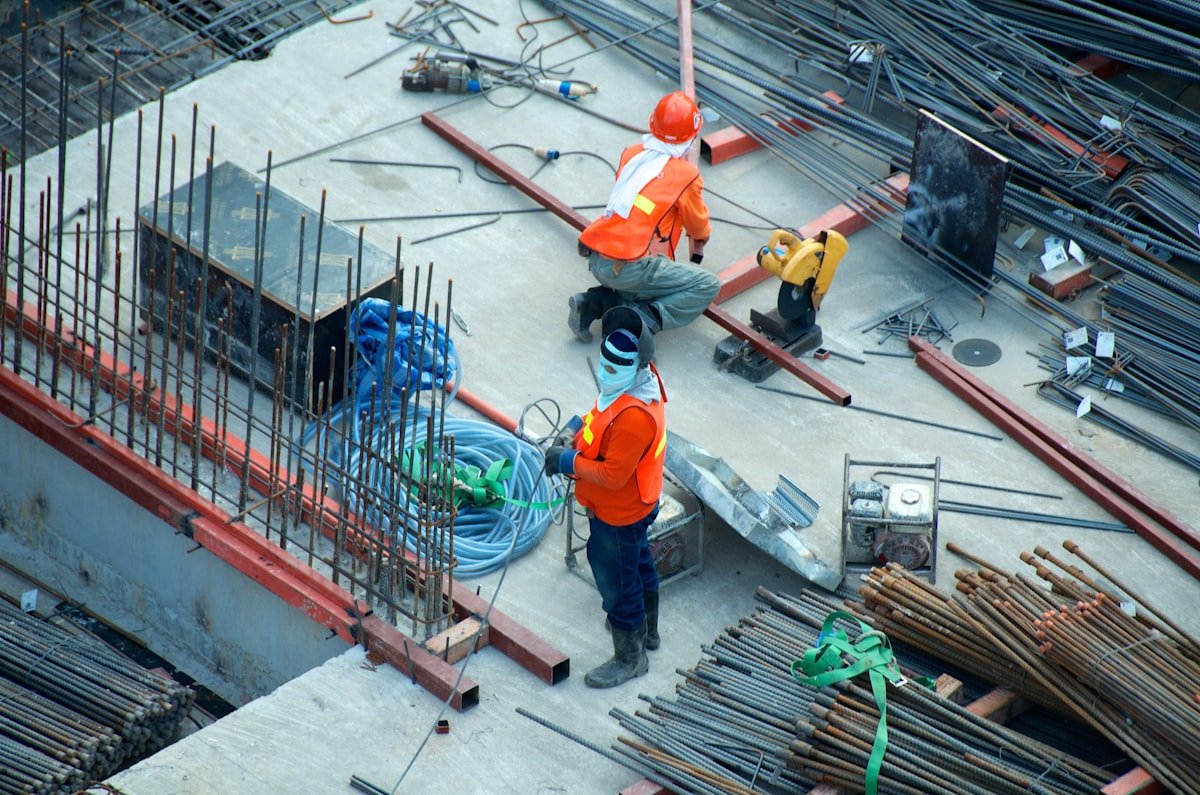
Multi-family residential construction across Metro Vancouver, the Fraser Valley, Calgary, and Edmonton demands specialized trade execution at significant volume. Whether constructing a four-storey woodframe condominium complex or a thirty-storey reinforced concrete residential tower, general contractors and developers cannot rely on standard residential painters. Multi-family projects require commercial-grade workforce management, precise takt-time scheduling, disciplined substrate preparation, and strict adherence to architectural finish schedules.
Why Multi-Family Painting Projects Are Different
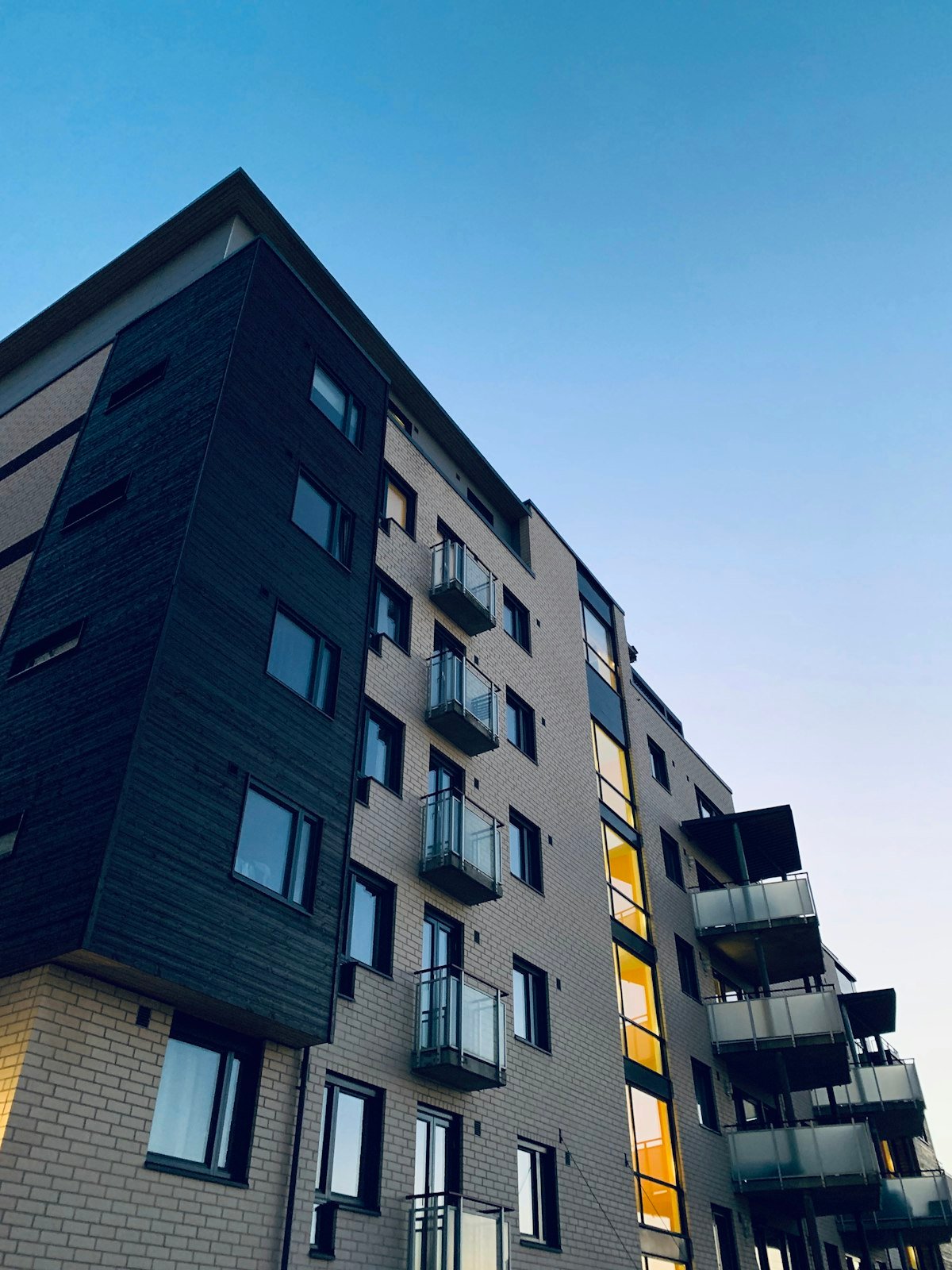
Multi-family painting projects present unique operational dynamics that set them apart from both single-family homes and typical commercial office tenant improvements. A single multi-family development often encompasses hundreds of individual residential suites, dozens of elevator lobbies, extensive public corridors, multi-level underground parkades, and complex exterior building envelopes.
Key distinguishing factors of multi-family painting include:
Key distinguishing factors of multi-family painting include:
- Repetitive High-Volume Production: Maintaining consistent finish quality and color uniformity across dozens or hundreds of identical residential units.
- Aggressive Handover Schedules: Meeting phased occupancy deadlines where lower floors must be inspected, cleaned, and handed over to homeowners while upper floors remain under construction.
- Multi-Substrate Diversity: Transitioning seamlessly between interior drywall, structural steel lintels, exterior concrete soffits, parkade line striping, and specialty common-area acoustic finishes.
- Intensive Trade Coordination: Operating alongside flooring installers, cabinetmakers, electrical finish crews, and staging inspectors without causing workflow bottlenecks.
Experience With Different Building Heights and Project Types
The structural typology of a multi-family building dictates the painting contractor's operational methodology, equipment logistics, and risk management profiles.
Professional commercial contractors adapt their approach based on building height:
Professional commercial contractors adapt their approach based on building height:
- Low-Rise & Mid-Rise Woodframe (3 to 6 Storeys): Focuses on rapid suite cycle times, sound-isolation perimeter caulking, moisture management on framing, and exterior siding finishing.
- High-Rise Concrete Towers (10 to 40+ Storeys): Demands heavy logistics planning, hoist and elevator schedule coordination, specialized swing stage rigging for exterior envelope coatings, and managing concrete moisture and honeycombs.
- Mixed-Use Developments: Combining commercial retail units (CRUs) on the ground podium with residential suites above, requiring distinct commercial and residential coating specifications.
Understanding Specifications and Coating Systems
A qualified multi-family painting contractor must possess deep technical familiarity with Master Painters Institute (MPI) standards and regional architectural specifications. Using inappropriate paint formulations in high-wear communal areas results in rapid burnishing, scuffing, and premature repainting costs.
Typical specification benchmarks include:
Typical specification benchmarks include:
- Residential Suites: Low-VOC washable latex eggshell finishes on living walls, non-reflective flat ceilings, and durable semi-gloss enamel on interior doors, trim, and baseboards.
- Common Corridors & Lobbies: Scuff-resistant commercial acrylic enamels and high-durability coatings that resist heavy furniture impact during tenant move-ins.
- Underground Parkades: High-reflectance white acrylic coatings on concrete walls and pillars to improve illumination, paired with chemical-resistant epoxy line striping and traffic membranes, as detailed in our protective coatings guide.
- Stairwells & Service Areas: Tough industrial enamel coatings on hollow metal doors, steel stringers, handrails, and bollards.
Surface Preparation Matters
The visual appeal of finished suites depends entirely on the condition of the substrate beneath the paint. High-volume multi-family schedules often create friction between drywall contractors and painters regarding defect responsibility.
A professional commercial painter conducts systematic substrate inspections before applying primer. Concrete ceilings and columns require grinding down form fins and filling honeycombs with cementitious patching compound. Drywall surfaces must receive a high-solids primer-sealer to equalize porosity between drywall paper and joint compound, preventing flashing and picture-framing under natural sunlight. For in-depth standards, review our guide on commercial surface preparation methods.
A professional commercial painter conducts systematic substrate inspections before applying primer. Concrete ceilings and columns require grinding down form fins and filling honeycombs with cementitious patching compound. Drywall surfaces must receive a high-solids primer-sealer to equalize porosity between drywall paper and joint compound, preventing flashing and picture-framing under natural sunlight. For in-depth standards, review our guide on commercial surface preparation methods.
Scheduling Around Construction and Occupancy
General contractors operating in competitive urban markets rely on predictable cycle times. A capable painting contractor works within a takt-time matrix, establishing defined durations per suite turnover.
A typical multi-family painting sequence follows disciplined phases:
A typical multi-family painting sequence follows disciplined phases:
- 1 Phase 1: Drywall Prime & Ceiling Spray: Direct application of primer-sealer and ceiling flat immediately following drywall sign-off.
- 2 Phase 2: First Wall Coat & Trim Enamel: Application of the first wall color coat and spray application of door and baseboard enamels prior to finished flooring.
- 3 Phase 3: Final Coat & Precision Cut-In: Final wall coat applied after carpet/hardwood installation and millwork completion, protected by clean drop sheets.
- 4 Phase 4: Punch-List & Pre-Occupancy Deficiency Rectification: Controlled touch-up protocol using original batch paint under the client's permanent lighting.
Coordination With General Contractors and Other Trades
Trade stacking is the primary cause of damage on multi-family sites. When electricians, plumbers, and trim carpenters enter freshly painted suites without coordination, the painting contractor is faced with extensive backcharges and touch-ups.
Top-tier multi-family painting subcontractors maintain transparent communication logs, photo documentation, and sign-off sheets with site superintendents. Aligning with the commercial painting project planning framework ensures trade boundaries are respected and backcharge disputes are eliminated.
Top-tier multi-family painting subcontractors maintain transparent communication logs, photo documentation, and sign-off sheets with site superintendents. Aligning with the commercial painting project planning framework ensures trade boundaries are respected and backcharge disputes are eliminated.
Safety and Site Organization
Multi-family construction sites are dense, fast-moving environments requiring strict safety compliance. General contractors face significant liability if trade subcontractors fail to uphold regional occupational health regulations.
Verify that prospective painting contractors provide:
Verify that prospective painting contractors provide:
- Comprehensive WCB / WorkSafeBC standing in good order.
- Certified fall-protection training for swing-stage and aerial work platform operators.
- Full WHMIS 2015 compliance and readily accessible Safety Data Sheets (SDS) for all chemical compounds.
- Organized staging and waste management protocols for zero-solvent disposal and safe overspray containment.
Quality Control Across Large Projects
Delivering five hundred flawless residential suites requires systemic Quality Assurance. The contractor must implement standardized mock-up approvals for each suite layout before mass production begins.
Regular quality control audits check wet film thickness, dry film adhesion, sheen consistency across daylight angles, and straight, crisp cut lines along baseboards and casing profiles.
Regular quality control audits check wet film thickness, dry film adhesion, sheen consistency across daylight angles, and straight, crisp cut lines along baseboards and casing profiles.
Questions to Ask Before Hiring a Multi-Family Painting Contractor
When evaluating subcontractor bids for your next multi-family development, ask the following screening questions:
- What is the maximum workforce capacity you can dedicate to this project during peak production?
- Do your project managers hold formal technical credentials such as MPI Architectural Coating Technologist certifications?
- Are you an active member of recognized trade bodies such as the Alberta Painting Contractors Association (APCA)?
- How do you document and track trade damage vs. internal painting deficiencies during handover?
- Can you provide verifiable project references for completed multi-family developments of similar height and unit count?
What Should Be Included in a Painting Bid?
A transparent commercial painting bid eliminates ambiguities and unexpected change orders. Ensure that all prospective tenders itemize scope inclusions clearly:
- Detailed breakdown of primer, intermediate, and topcoat products and manufacturer brands.
- Clear allocation of access equipment (scissor lifts, boom lifts, swing stages) including mobilization and fuel.
- Specific allowances for substrate patching and drywall deficiency rectifications.
- Clear identification of non-paintable substrates (factory-finished metal, anodized aluminum, sprinklers) and masking protection.
Review our featured multi-family portfolio projects to see how Whytecliff executes complex multi-storey residential packages across British Columbia and Alberta.
- Detailed breakdown of primer, intermediate, and topcoat products and manufacturer brands.
- Clear allocation of access equipment (scissor lifts, boom lifts, swing stages) including mobilization and fuel.
- Specific allowances for substrate patching and drywall deficiency rectifications.
- Clear identification of non-paintable substrates (factory-finished metal, anodized aluminum, sprinklers) and masking protection.
Review our featured multi-family portfolio projects to see how Whytecliff executes complex multi-storey residential packages across British Columbia and Alberta.
Partnering for Smooth Multi-Family Handovers
Selecting the right multi-family painting contractor is an investment in project timeline security, finish excellence, and homeowner satisfaction. By prioritizing trade capacity, technical certifications, and disciplined site coordination, general contractors ensure on-time, deficiency-free handovers.
Commercial Estimating
REQUEST A BID FOR YOUR MULTI-FAMILY PROJECT
Bidding an upcoming low-rise, mid-rise, or high-rise multi-family residential development in BC or Alberta? Contact Whytecliff Painting & Coating Ltd. for a comprehensive commercial tender proposal.